
Get your dig on, it’s officially National Tree Week.
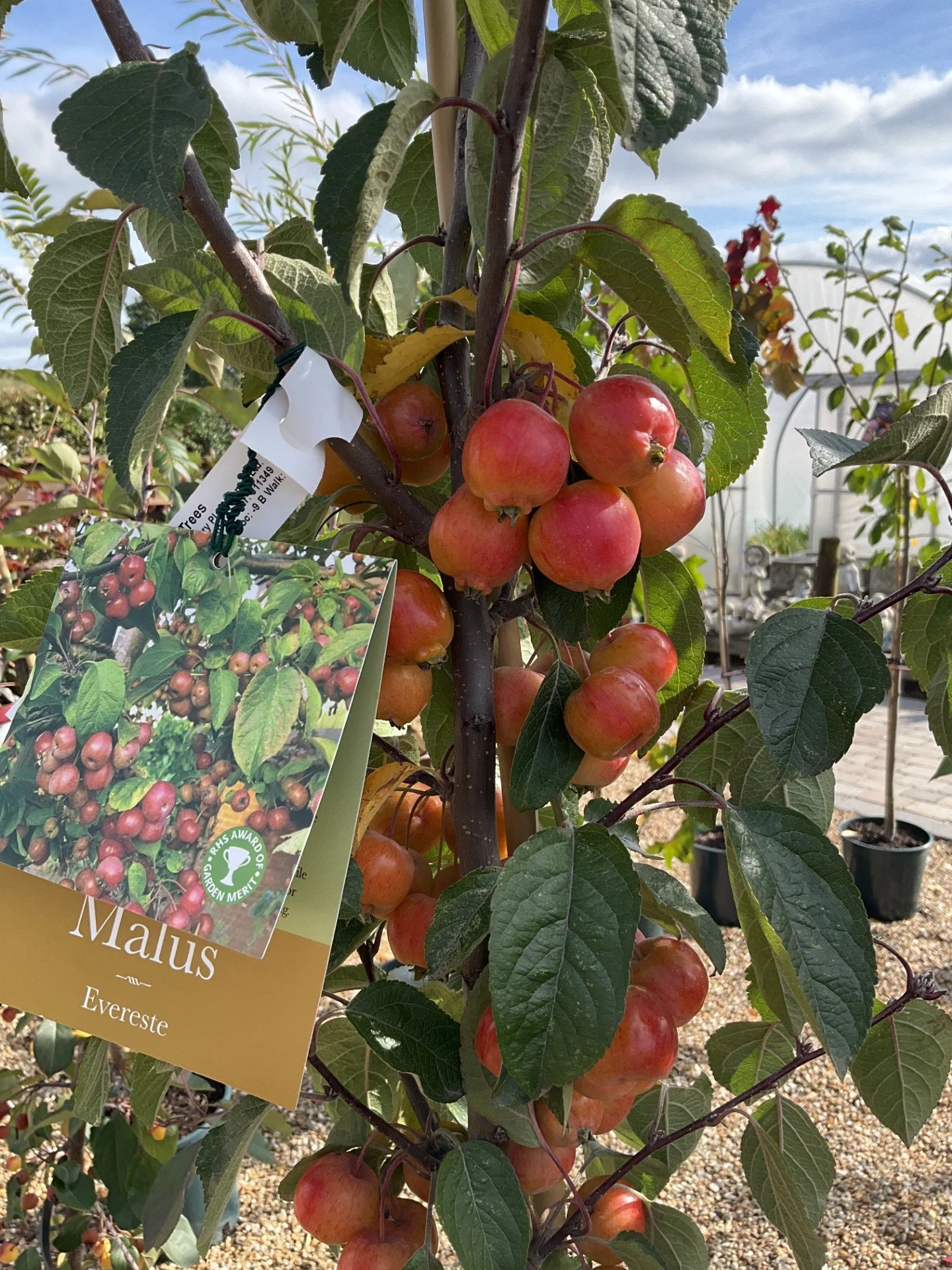
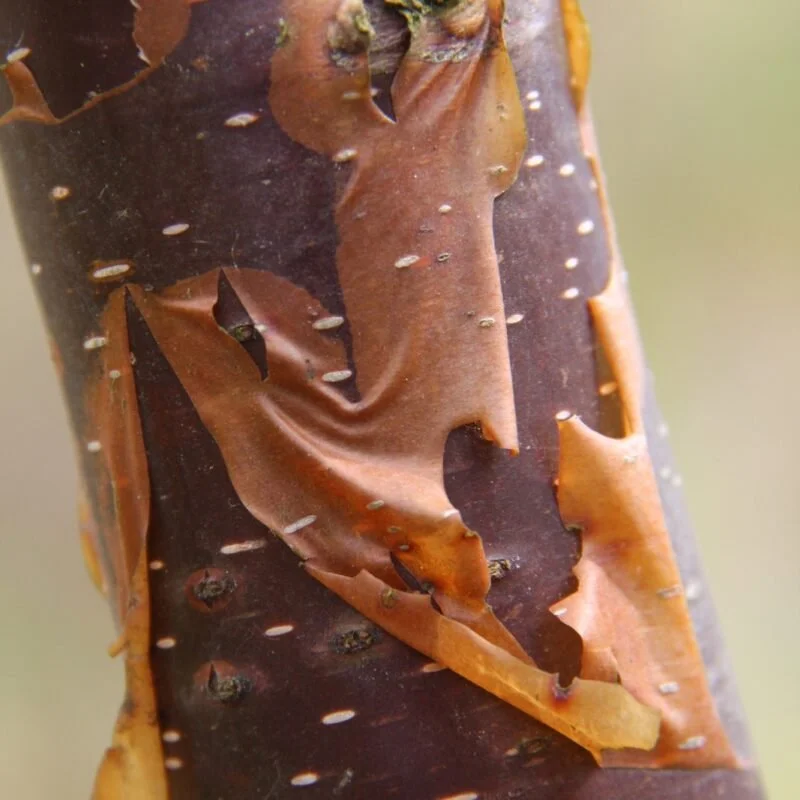
It’s officially National Tree Week, which marks the start of the annual tree & hedge planting season. The season continues through to approximately March, a period when trees are dormant and soil conditions are optimal. Although avoid planting if the ground is waterlogged or frozen. In last month’s blog we looked at exactly why this is the best time to plant trees and hedging..
Here, we focus on how best to plant trees & hedging.
Before you do anything else, make sure that your tree stays well watered after purchasing and any bare root plants have damp roots that haven’t dried out.
Dig your hole roughly the depth of the rootball, but a size wider.
You could also sprinkle the base of the planting hole with some mycorrhizal fungi if you choose.
When positioning your tree, ensure that the top of the rootball is ground level. Do not be tempted to bury your tree or hedging any lower.
Back fill the planting hole with a mixture of the excavated soil, soil improver and a slow release general purpose fertiliser (such as Vitax Q4).
Firm or ‘heel in’ the ground around the plant.
Insert a tree stake firmly into the ground away from the rootball and at roughly a 45 degree angle to the trunk.
Secure the stake to the tree using specific tree ties which are designed to allow some movement, but will not cause damage or abrasions to the young trunk.
Tree guards may be used to protect saplings from nibbling pests such as rabbits.
Always water well after planting, even if rain is forecast.
Water your new tree regularly, for at least a year or two, especially during dry spells.
Check the stake and tree tie periodically. You will need to loosen the tie as the trunk widens. Keep any stakes in place for approximately two to three years until the tree is firmly rooted in.